
Sphere Survival Reflex
Review
Sphere Survival Reflex strips away unnecessary complexity to deliver a pure test of reaction and observation. The platform patterns evolve naturally, preventing the gameplay from feeling repetitive. Each session offers a genuine opportunity to improve, and the visual feedback is crisp without being overwhelming. It is an excellent choice for players who enjoy skill-based challenges that reward patience and practice over fast clicking.
Full story
Core Gameplay Loop
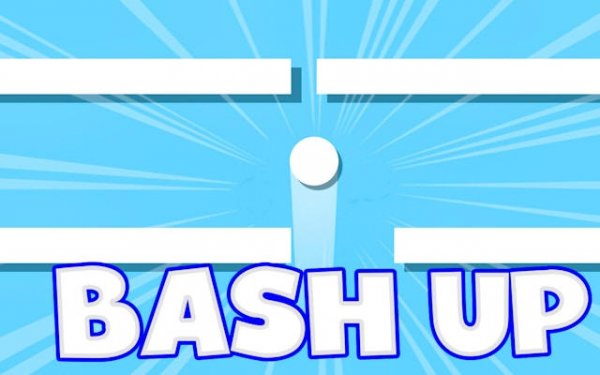
Sphere Survival Reflex centers on a straightforward objective: keep the sphere moving through a field of moving platforms. Each session begins with a simple tap to launch the sphere, and from there, every decision matters. The platforms shift positions at varying speeds, creating a puzzle-like challenge where players must identify safe paths in real time. There are no power-ups or special abilities to rely on—just the player's own judgment and reaction speed. This purity of design means that improvement comes from practice and observation rather than memorizing complex mechanics.
Platform Behavior and Patterns
The platforms in Sphere Survival Reflex are not static obstacles. They move along predictable but increasingly complex paths as the game progresses. Early rounds feature slow, linear movements that allow new players to get comfortable with the controls. Later stages introduce platforms that change direction abruptly, speed up without warning, or split into smaller sections. Recognizing these patterns becomes essential for survival. The game rewards players who watch the full field rather than focusing on a single platform, as opportunities to advance often appear in peripheral areas.
Visual Design and Feedback
The visual presentation supports the gameplay without distracting from it. Bright, contrasting colors make each platform and the sphere itself stand out clearly against the background. When the sphere makes contact with a platform, a subtle visual cue confirms the successful bounce. These cues help players maintain their rhythm and adjust their timing. The clean aesthetic ensures that even during intense moments, the player can quickly assess the situation. This design choice reduces eye strain during longer play sessions and makes the game accessible to players of all ages.
Progression and Replay Value
Sphere Survival Reflex does not include traditional levels or unlockable content. Instead, progression is measured by the player's own performance. Each session ends when the sphere misses a platform, and the player sees their total time displayed. This creates a natural incentive to try again and beat the previous record. The lack of external rewards means that motivation comes from personal improvement. Players often find themselves noticing small improvements in their reaction times and decision-making, which provides a satisfying sense of accomplishment.
Accessibility and Learning Curve
The controls are simple enough that anyone can start playing immediately. A single tap or click controls the sphere's launch and direction. There are no menus to navigate or tutorials to complete. The learning curve comes from the increasing speed and complexity of the platforms, not from mastering complicated inputs. This makes the game suitable for quick breaks where the player wants immediate action without a lengthy setup. The difficulty ramps up gradually, so beginners have time to develop their skills before facing the most challenging patterns.






Reader Comments
Sign in to comment
You must be logged in before posting a review or rating.
No account? Create one
No comments yet. Be the first to comment!