Tile Stack Puzzle
Review
Tile Stack Puzzle delivers a serene yet engaging experience for players of all ages. The intuitive touch or mouse controls make it easy to start, while the gradual increase in difficulty keeps the game interesting. The colorful visuals and lack of timers create a stress-free environment. It is an excellent choice for those seeking a thoughtful puzzle game without any inappropriate content. Highly recommended for casual play.
Full story
Game Introduction
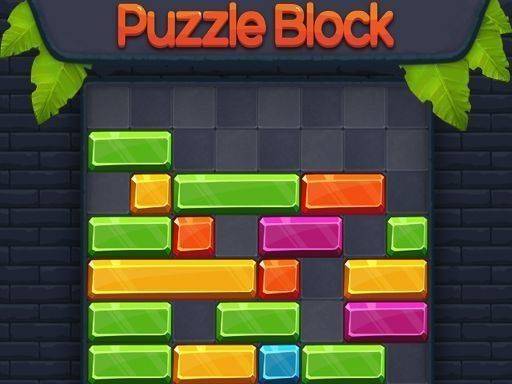
Tile Stack Puzzle offers a soothing experience where players arrange descending tiles to form complete horizontal rows. The core objective is to keep the playing field clear by strategically placing each piece. As the game progresses, the pace may increase, providing a gentle challenge without overwhelming the player. This game is designed to be accessible to everyone, from young children to older adults, thanks to its simple mechanics and non-violent theme. Each session presents a unique arrangement, ensuring no two games are exactly alike. The colorful visuals and straightforward rules make it an ideal choice for those seeking a mental workout that is both engaging and relaxing. Whether you have a few minutes during a break or want to unwind for a longer period, Tile Stack Puzzle adapts to your schedule. The game emphasizes thoughtful decision-making rather than speed, allowing players to develop their own strategies. It is a safe, family-friendly environment free from any inappropriate content, making it suitable for shared play. The satisfaction of clearing rows and achieving personal bests drives continued play. Overall, Tile Stack Puzzle is a timeless puzzle experience that combines simplicity with depth, offering endless entertainment for puzzle enthusiasts and casual gamers alike.
How to Play
Players control the placement of tiles that fall from the top of the screen. Using a mouse or touch input, you can slide each tile left or right to position it where you want. The goal is to arrange the tiles so that they form a complete, unbroken line across the play area. When a line is fully filled, it disappears, creating more space for additional tiles. If the tiles stack up to the top, the game ends. There are no timers, so you can take as much time as you need to decide where to place each tile. The controls are intuitive, making it easy for anyone to start playing immediately. The game rewards careful planning and spatial awareness, as each placement affects future options. Players can experiment with different arrangements to find the most efficient way to clear rows. The simple interface ensures that the focus remains on the puzzle itself, without distractions. As you become more familiar with the mechanics, you can develop your own techniques for managing the play area effectively.
Game Features
Tile Stack Puzzle includes simple controls that work with both mouse and touch devices, making it accessible on various platforms. The colorful and engaging graphics create a pleasant visual experience that appeals to a wide audience. The game offers endless challenges, as the difficulty gradually increases over time, providing a sense of progression. It is designed to be family-friendly, with no violent or inappropriate content, ensuring a safe environment for all players. The relaxing pace, with no timers or pressure, allows for thoughtful and strategic play. Players can enjoy the game in short bursts or extended sessions, as each round is self-contained. The core mechanics are easy to learn but offer enough depth to keep players engaged. The game may include features such as score tracking and visual feedback for clearing rows, enhancing the overall experience. Overall, Tile Stack Puzzle focuses on providing a calm, enjoyable puzzle experience that can be shared by the whole family.
Tips for Success
To excel in Tile Stack Puzzle, focus on creating complete rows efficiently by planning your tile placements in advance. Try to keep the pile of tiles as low as possible to avoid reaching the top. Clearing multiple rows at once can yield higher scores, so look for opportunities to do so. Practice regularly to improve your spatial reasoning and decision-making skills. Remember, there is no rush, so take your time to consider each move carefully.